

 Conceptual Modeling
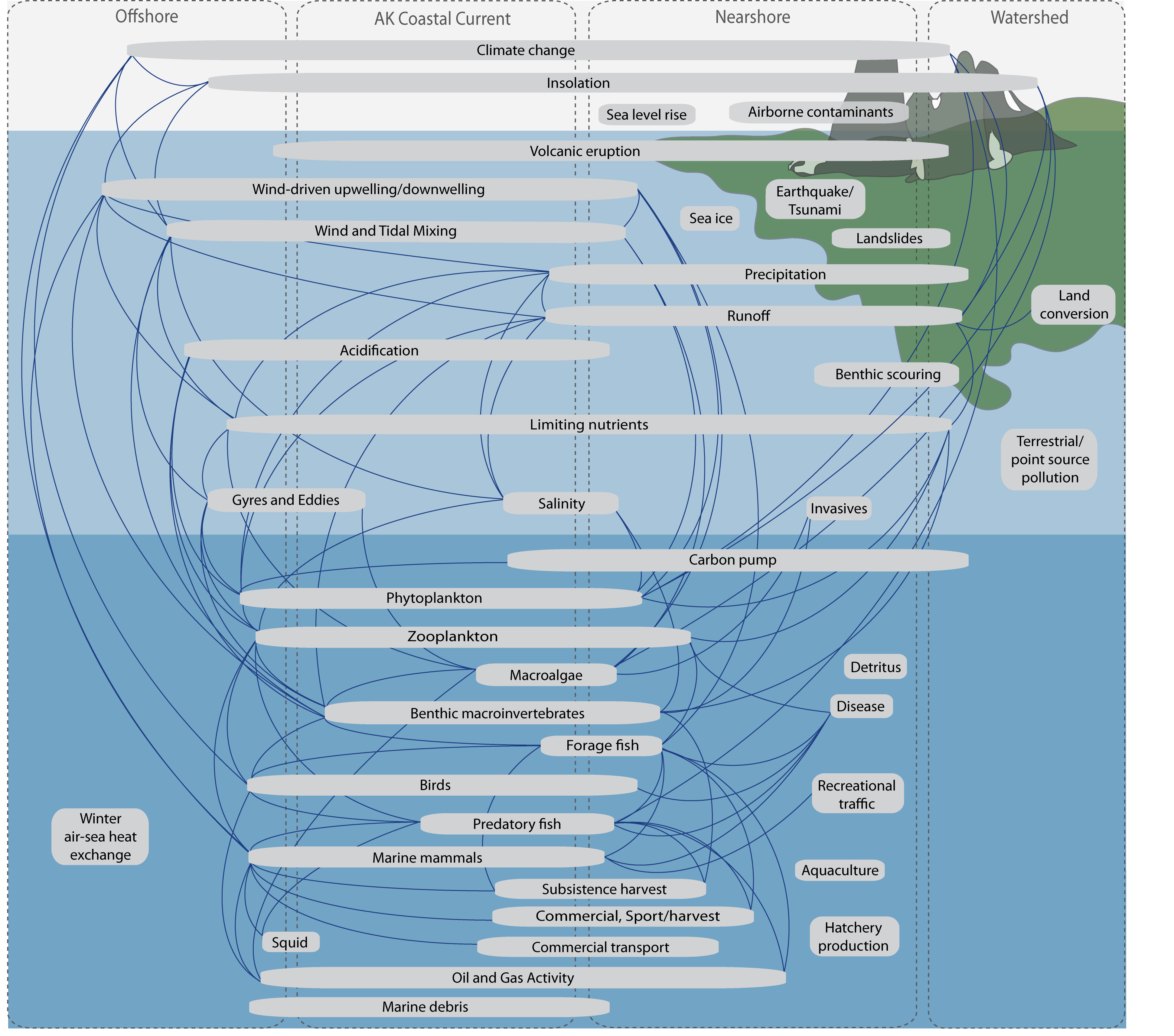
In this project, conceptual modeling and syntheses of data from Gulf Watch Alaska was conducted to help improve the integration of information across research disciplines and ensures relevance for resource management in the EVOS-affected region.
 Fall and Winter Marine Bird Abundance
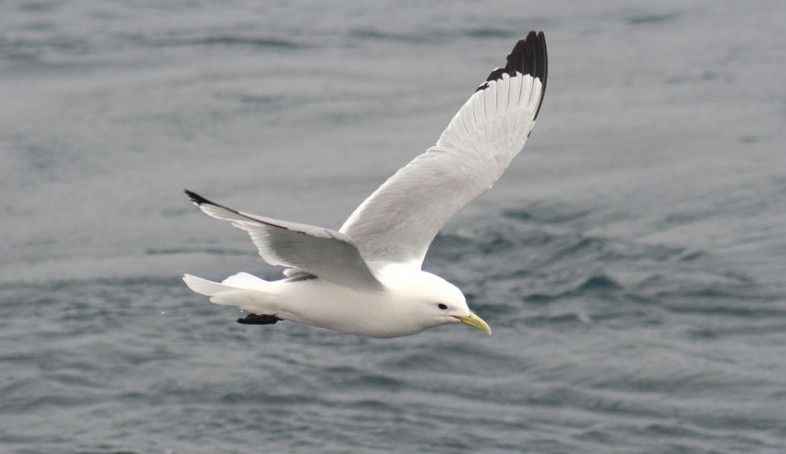
We conduct surveys between mid-September and March following established U.S. Fish and Wildlife Service marine bird survey protocols.
 Harlequin Ducks and Sea Otters
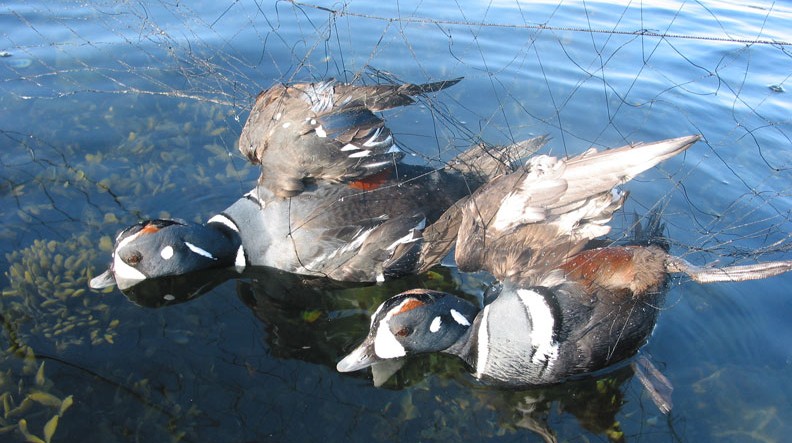
From 2012-2016, Gulf Watch Alaska monitored how well harlequin ducks and sea otters in PWS have recovered from the spill and the potential health consequences of ongoing or previous exposure.
 Historic Data Compilation
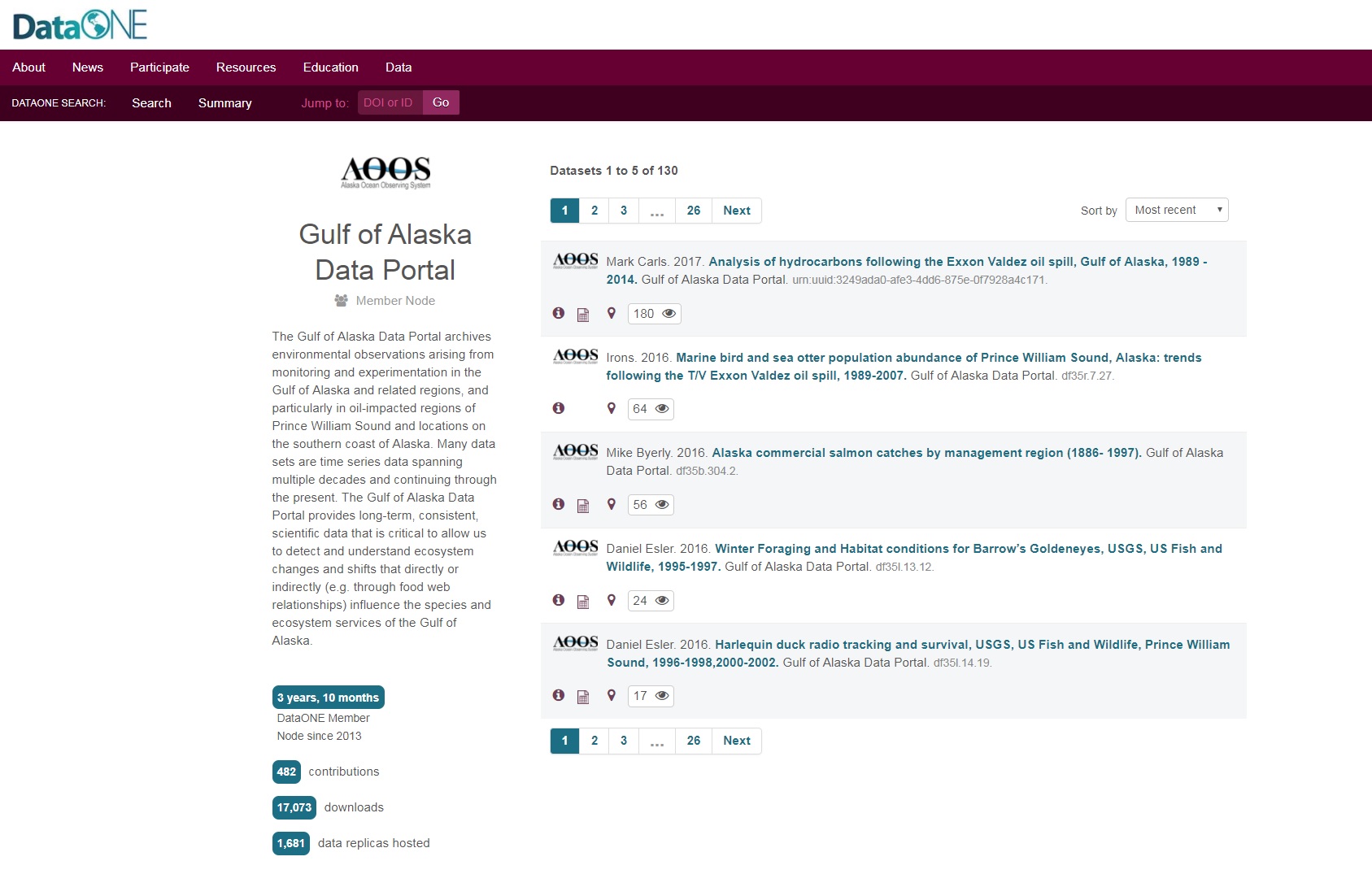
In this project, led by Matt Jones of the National Center for Ecological Analysis and Synthesis (NCEAS), a data management system was built that allowed the rescue and preservation of 126 historical data sets spanning the 28-year period since the Exxon Valdez oil spill in 1989.
 Oceanic Conditions in Lower Cook Inlet and Kachemak Bay
Continuous water quality station data from Kachemak Bay show that water temperatures were warmer and fresher in summer 2019 than in summer 2018, with temperatures exceeding 15°C at the Homer harbor station and 17°C in Bear Cove at the head of the bay.